HUDSON – 70% of Americans believe having a positive mindset correlates to real-world experience and that adding more protein to their diet is newly essential.
Protein is one of the most important substances in the human body. Your muscles, hair, organs, and many hormones are primarily made up of protein.
There are 20 amino acids, but your body can only make 11; the other nine are called essential amino acids.
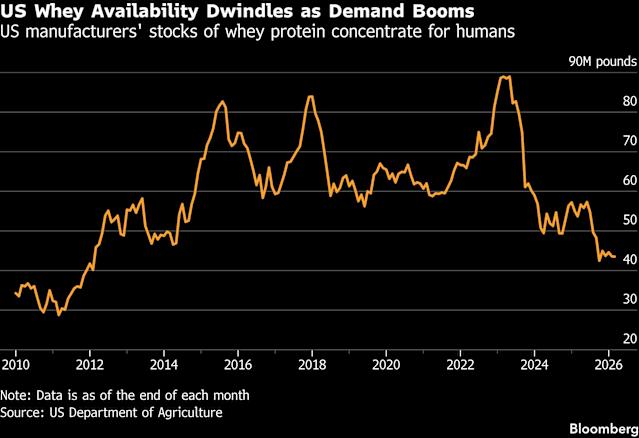
In the past few years, many foods and beverages in stores have been labeled “High-protein” due to the sudden rise in demand and the desire to prioritize these essential amino acids.
The majority of Americans are driving this demand after learning that protein helps maintain muscle, stabilize blood sugar, and promote a feeling of fullness.
However, just because something says “High-protein” doesn’t mean it won’t have saturated fats and sugar in it.
Ultra-processed foods, which Americans are known to turn to for their flavor and convenience, are often linked to high saturated fats and commonly contain anywhere from zero to 46 grams of sugar per serving, even with some universal products exceeding that range.
The digestive process, when it comes to protein, is a multi-step, complicated process, and these saturated fats slow down the process, and the sugar content triggers insulin responses that ultimately affect how your body uses protein.
The process starts when chewing. Amylase and lipase in your saliva break down fats and carbohydrates.
When a protein source reaches your stomach, proteases, which are enzymes that break peptide bonds, and hydrochloric acid break it down.
That smaller chain of amino acids then moves into the small intestine, where your pancreas releases enzymes and a bicarbonate buffer that reduces the acidity of digested food.
In the small intestine, villi absorb the protein. After being absorbed, they are taken to cells to start repairing tissue and building muscle.
Along with speeding up chemical reactions, proteins are found in substances in our body that perform important functions, like lactase, keratin, antibodies, and hemoglobin.
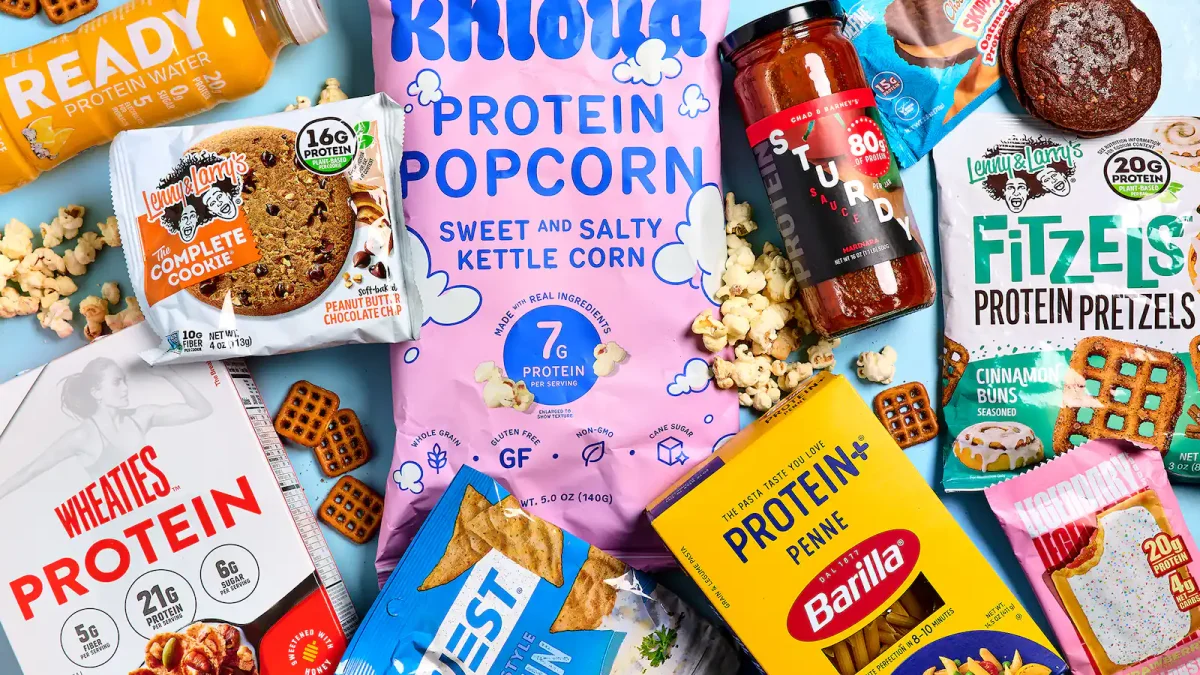
When turning your head away from high-quality protein sources like fish, meat, eggs, and dairy and locking eyes with a bag of protein popcorn or a box of protein cookies, you threaten the functions of your own digestive system.
It makes sense why protein is so popular; it is essential to our body and the maintenance of lean muscle.
However, as consumers who are bombarded with constant ads and promises, make sure you’re finding a high-quality source and moving your body. And no, walking down the grocery aisle reading “High Protein!” in large font does not count.